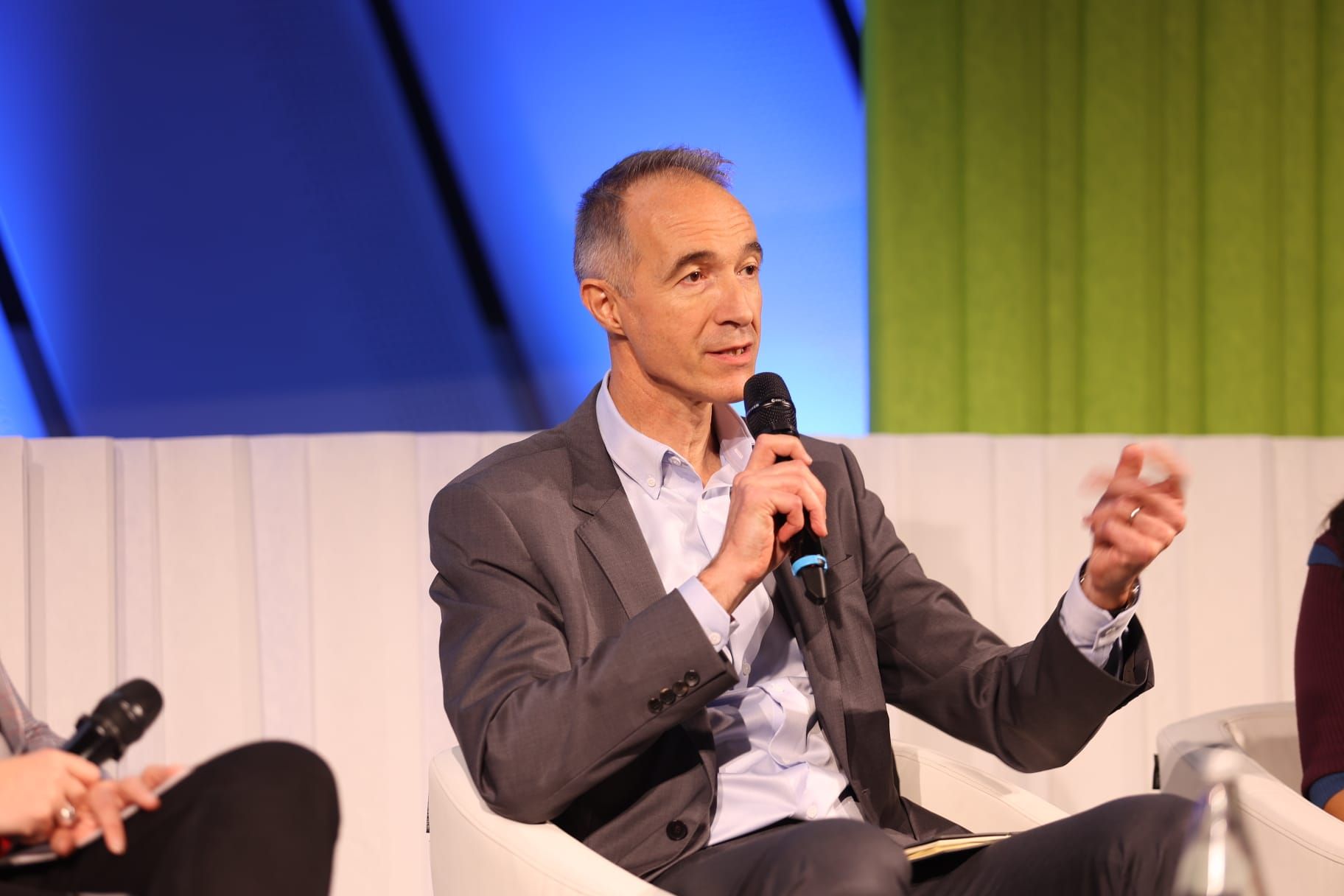
Three lessons on scaling circularity from Produrable 2026
October 6, 2026
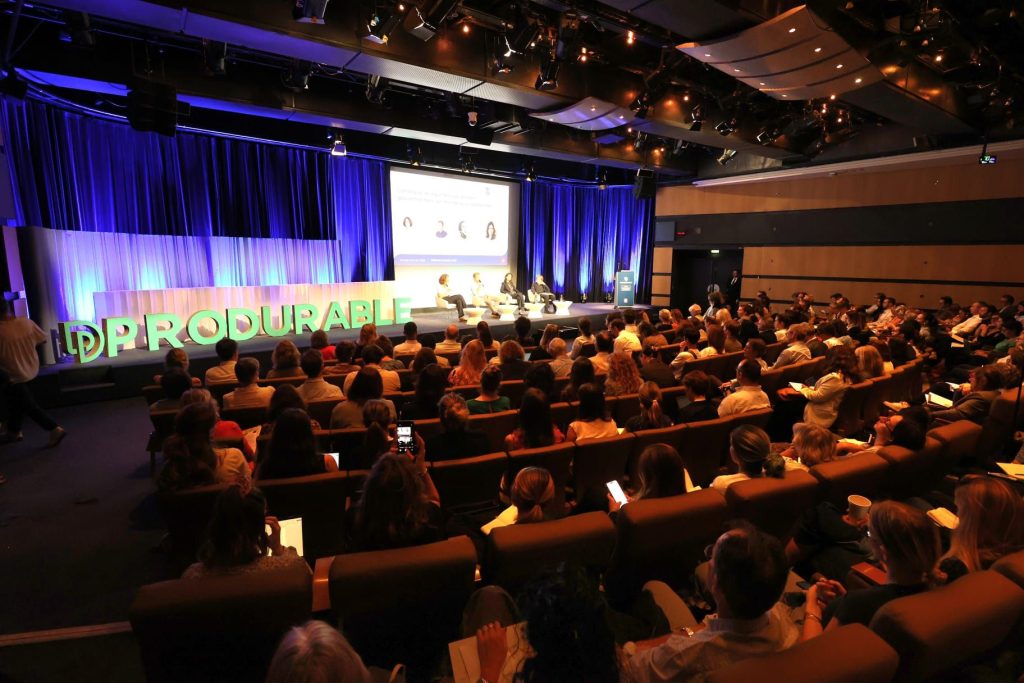
How can we turn promising circular economy initiatives into large-scale business impact?
This question was at the heart of the discussion at Produrable in Paris, where Arnaud Marquis, Tarkett’s Chief Sustainability & Safety Officer, joined industry leaders to explore how recycling and circular business models can move beyond pilot projects and become part of everyday operations.
Here are our 3 main takeaways:
1️⃣ Recycled materials are becoming a business necessity, not just a sustainability goal. They help reduce carbon emissions, rely less on virgin raw materials and help reduce the pressure on the supply chain. At Tarkett, we incorporate 160,000 tonnes of recycled materials into our products every year, representing 20% of our product content. Our ambition is to reach 30% by 2030.
2️⃣ Circularity requires more than eco-design. It also depends on taking back materials, sorting them, ensuring traceability, and building recycling systems that make circular solutions work in practice.
3️⃣ Collaboration is key. Partnerships across the value chain are essential to turn promising initiatives into large-scale impact.
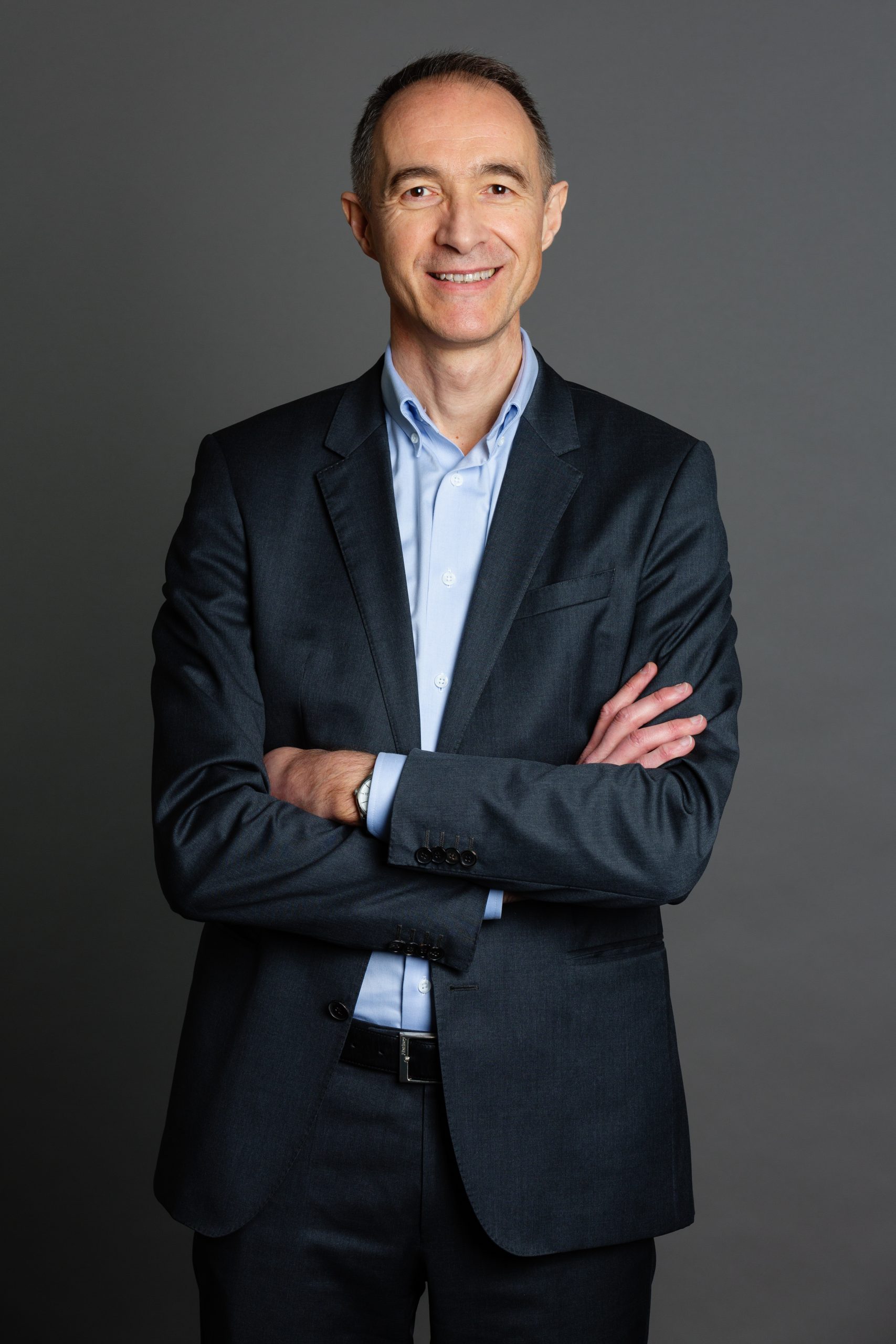
The circular economy can be a remedy against virgin raw material inflation. To achieve this, every step must be optimized to create a high-performing value chain. This is how we will build the company’s long-term robustness.”
Arnaud Marquis, Chief Sustainability & Safety Officert